Guide, Product Spotlight
The Ultimate Guide to Commercial Cleaning Cloths: Which Type is Best for Your Business?

Jun
If you manage the cleaning supplies for your business, you already know how fast your team goes through cleaning cloths, wipes, and sponges. They are essential everyday items used to wipe down touchpoints, sanitise kitchen areas, and clean high-traffic environments.
Buying whatever is closest or cheapest can be a costly mistake. If you buy cloths that shed lint, your team will spend twice as long trying to get a streak-free finish on glass. And if you order the wrong type of fabric for heavy grease, your staff will waste expensive chemicals trying to compensate for poor absorbency.
This guide is designed to help buyers choose the right commercial cleaning cloths for their specific workplace. We will break down materials, durability, and tasks so you get the best value for your budget.
Understanding Commercial Cloth Types: Which Is Right For the Job?
When buying in bulk, matching the cloth type to the specific task prevents surface damage, ensures hygiene compliance, and stops product waste.
1. General Cleaning & Dusting (Microfiber)
Microfiber features synthetic split-fibres that create tiny hooks. These mechanically lift and lock away grease, dust, and up to 99% of bacteria using just water.
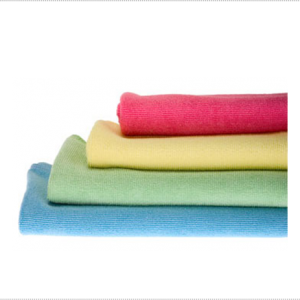
- The Daily Workhorse: Ideal for multi-surface office cleaning and daily janitorial tasks. View our multi-surface Microfibre Cloths.
- Deep Polishing & Valeting: Thicker, heavy-duty microfiber with a higher GSM (thickness) for intense commercial detailing. View our Super Premium Microfibre Cloths.
TOP TIP: Check the GSM when buying microfiber in bulk. Under 200 GSM is economy grade for light dusting. A 200–300 GSM rating indicates professional utility grade built to survive hundreds of wash cycles.
2. Heavy Spills & Industrial Wiping (Cotton & Woven)
Traditional woven fabrics feature smooth, natural plant fibres. They don’t trap microscopic dust like microfiber, but they are incredibly tough, highly absorbent, and resist harsh chemical solvents.
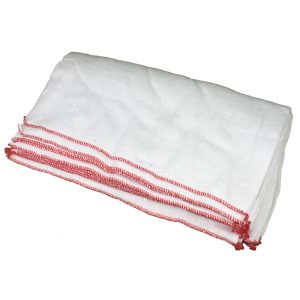
- Kitchen Washing Up: Thick cotton cloths that hold large volumes of soapy water for catering environments. View our Colour-Coded Premium Quality Dishcloths.
- Machinery & Decorating: Heavy-duty cotton loops that can be cut to any custom length to clean grease and oil. View our Stockinette Roll (800g).
3. Professional Window Cleaning (Glass & Glazing)
Glass requires zero-lint fabrics to prevent frustrating smudges and extra labour time.
- The Window Cleaner’s Choice: Grade-1 pre-washed cotton scrim, engineered to leave a spotless finish. View our Unger Window Cleaning Scrim.
- Rapid Mirror Drying: Natural leather cloths that slide easily over smooth surfaces, absorbing standing water instantly. View our Extra Large Chamois Leather.
4. Single-Use Zones (Disposable & Semi-Disposable)
In high-risk areas such as commercial kitchens or care facilities, discarding a cloth after a shift is often the safest way to maintain infection control.
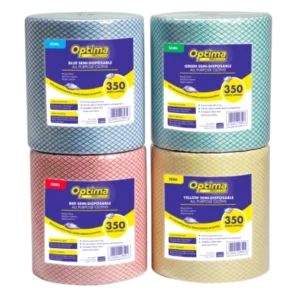
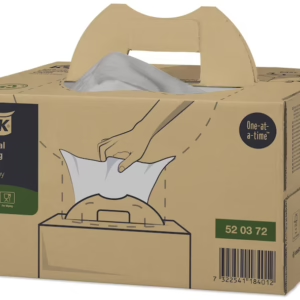
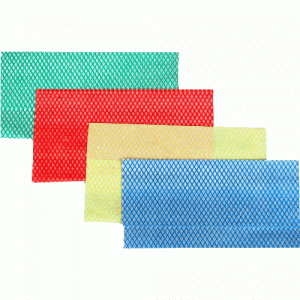
- Daily Color-Coded Wipes: Lightweight cloths designed to be used for one shift and thrown away, stopping bacteria from growing overnight. View our Cleaning Cloths (Choice of Colour) or high-capacity Optima Lightweight Cloth Rolls.
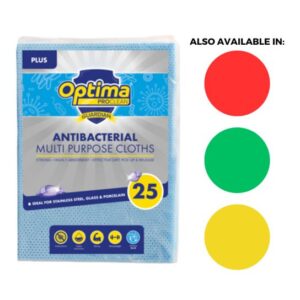
- Infection Control Wipes: Semi-disposable cloths embedded with food-safe antimicrobial additives that stop bacteria from growing on the damp cloth. View our Heavyweight Antibacterial Cloths.
- Eco-Friendly Disposables: Biodegradable options for businesses looking to drop their plastic waste. View our Pure Bamboo Disposable Cloths.
Common Cleaning Cloth Mistakes
Even when you buy high-quality stock, small usage mistakes can lead to major inventory waste and ruined surfaces. Use our quick troubleshooting guide below to solve the most common cupboard headaches instantly:
| The Problem | The Real Cause | The Quick Fix |
|---|---|---|
| The cloth leaves lint and dust on glass. | You are using a woven cotton cloth or a cheap microfibre that sheds loose fibres when wet. | Switch to a smooth, unembossed 2-ply glass cloth or a premium knitted microfibre. They slide cleanly over mirrors without snagging. |
| Microfibre cloths are losing their absorbency. | The laundry team is washing them with fabric softener, which coats the microscopic channels in silicone. | Wash microfibre separately in a cool cycle using standard detergent. Never use fabric softener or bleach, as it destroys the split fibres. |
| Cross-contamination is spreading across zones. | Staff are using the same clothes across multiple rooms due to a lack of strict zoning. | Implement the strict British Institute of Cleaning Science (BICSc) colour-coding framework across your entire facility hardware using targeted cloths & dusters. |
| Scourers are leaving dull scratches on fixtures. | Heavy-duty metal scourers are being mistakenly used on delicate chrome taps or plastic splashbacks. | Restrict heavy scourers to industrial pans. Use non-scratch sponge units for washroom porcelain, glass, and polished plastics. |
Real Cost-Per-Use vs Pack Price
Do not just look at the upfront price of the plastic pack. True commercial savings come from how many times a tool can be deployed before hitting the bin.
| Feature | Cheap Disposable Rags / Semi-Disposable Wipes | Premium Microfibre & Trade Cloths |
|---|---|---|
| Upfront Cost | Lower price per pack. | Slightly higher price per pack. |
| Lifespan | Shorter (usually single-use or discarded after one shift). | Extremely long (can be laundered up to 300+ times). |
| Usage | Staff use dozens of sheets per shift as they tear easily. | Staff use 1 or 2 durable cloths to clean all zones. |
| The Result | You run out of stock fast and reorder constantly. | You minimise waste and dramatically lower long-term overheads. |
Upgrade Your Kit: Recommended Bulk Cloths & Wipes
Ready to upgrade your cleaning inventory, maintain strict hygiene compliance, and reduce product waste? Below are the core, trade-grade essentials featured in this guide. Buy in bulk to secure wholesale contract pricing and ensure your janitorial team always has the right tool for the job.
Clearance
Accessories
Accessories

Cloths


Interactive Buyer Checklist: Find Your Perfect Match
Tick the boxes that match your current stockroom headaches or cleaning goals to reveal your ideal commercial cloth setup:
Frequently Asked Questions
We’ve answered the top questions our commercial customers ask to help you avoid cross-contamination, protect your fixtures, and maximise your budget:
To prevent cross-contamination, businesses use a four-colour rule:
- Red: Washrooms, toilets, urinals, and sanitary floors.
- Blue: General low-risk surfaces (office desks, dusting, receptions, window ledges).
- Green: Industrial kitchens, bars, canteens, and food preparation surfaces.
- Yellow: Clinical environments and lower-risk washroom surfaces like sinks, taps, and tiles.
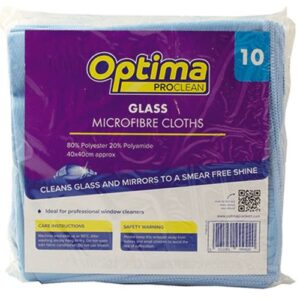
Yes, but a knitted microfiber can occasionally drag if heavily soiled. For the absolute best streak-free finish on chrome, mirrors, and large glass screens, choose a flat-weave warp-knitted smooth microfiber glass cloth.
Sponges degrade rapidly if left sitting in pools of harsh chemicals or acidic cleaners. Instruct your cleaning team to thoroughly rinse all sponges and scourers with clean water after use, then squeeze them damp-dry to maximise their lifespan.
For high-turnover clinical areas where infection control is paramount, disposables are a legal necessity. However, for general commercial offices, schools, and facilities, switching to reusable premium microfiber reduces ongoing supply spend by thousands of pounds annually due to its long laundering lifespan.

UK Cleaning Supplies Expert Insights Team
Trusted Commercial Cleaning & Hygiene Solutions
UK Cleaning Supplies supports businesses, schools, and facilities nationwide with trade-grade products, wholesale cost savings, and professional advice.
Our Expert Insights Team brings together industry knowledge across commercial cleaning, chemical procurement, and facilities management to share practical guidance that helps you maintain a safer, cleaner, and more cost-effective working environment.