
Guide, Product Spotlight
Commercial Mops and Buckets Buying Guide: Which Type for Which Floor?

May
In any professional setting, floor maintenance is about more than just aesthetics; it is a core component of health and safety and operational efficiency. However, with so many variations in mops and buckets available, selecting the right system for your specific environment can be challenging.
Whether you are managing a high-traffic hospitality venue or a large-scale industrial warehouse, this guide is designed to help you navigate the technical complexities of mop systems.
From the high-absorbency Kentucky mops to the hygienic precision of flat mops, we break down exactly what you need to keep your premises compliant and clean while getting the best value for your business.
Choosing Your Mop System by Floor Type
Selecting a mop and bucket system isn’t just about the mop head; it is about how that equipment interacts with your specific flooring to ensure safety, efficiency, and longevity.
In a commercial setting, the wrong system can lead to damaged surfaces, increased slip risks, or poor hygiene.
| Floor Type | Recommended Mop System | Why? |
|---|---|---|
| Safety / non-slip flooring | Kentucky Mop | Best for soaking up heavy spills on textured floors. |
| Vinyl, laminate or wood | Flat Mop | Dries fast and uses less water to protect floors and prevent slips. |
| Industrial concrete or stone | Socket Mop | Tough and affordable for frequent use in very dirty areas. |
| Hospitality / food prep | Colour Coded Flat Mops | Best for stopping cross-contamination and meeting hygiene standards. |
Recommended Brand & Product Systems
To help you choose the right setup for your business, we have curated three professional systems based on performance and durability.
For Heavy-Duty Cleaning: The SYR Kentucky System
Best for warehouses or large commercial kitchens needing high liquid absorption.
- The Mop: Kentucky Mop Head Pure (Yarn or Twine).
- The Bucket: SYR Lady Bug Kentucky Bucket or Galvanised Roller Bucket.
- The Handle: Aluminium Kentucky Mop Handle.

Mop Heads
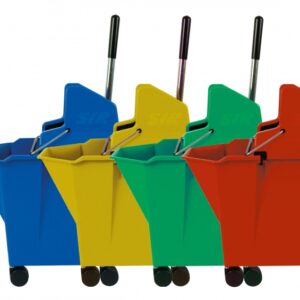
Buckets
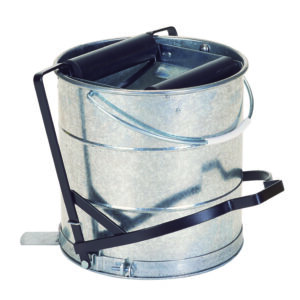

For Hygiene & Speed: The Vileda Professional System
Best for high-traffic areas where rapid drying and hygiene are critical.
- The System: Vileda UltraSpeed Pro or UltraSpeed Mini Kit.
- The Pad: Microfibre Performance Pads or Vileda Triangle Frame.
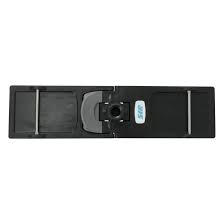
- The Frame: SYR Snapper Flat Mop Holder.
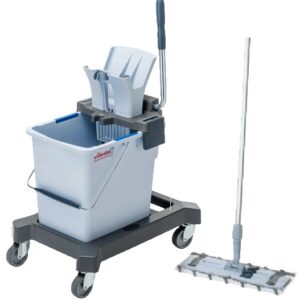
Mop Heads

Mop Heads

Cleaning Equipment & Tools
For General Commercial Cleaning: The Socket Mop System
A cost-effective, multi-purpose choice for schools, offices, and general trade use.
- The Mop: Freedom Maxi Looped Yarn Head or Socket Mop Delta Head.
- The Bucket: SYR TC20 Bucket & Wringer or the Lucy 9L Bucket.
- The Handle: Aluminium Hygiene Mop Handle (available in full colour-coding).

Floor Cleaning Chemicals

Kentucky Mops vs. Flat Mops: What’s the Difference?
When choosing between a Kentucky mop and a flat mop, the decision usually comes down to the volume of liquid you need to manage and the specific hygiene requirements of your environment. Both are essential tools in commercial environments, but they serve different purposes.
Kentucky Mops (best for large areas and heavy spills)
The Kentucky mop is the traditional “workhorse” of the cleaning industry. Featuring a long, looped-edge yarn, it is designed to hold significant amounts of water, making it the go-to choice for large-scale floor coverage.
- Best Use Case: High-traffic areas with hard-wearing floors, such as warehouses, large retail spaces, or commercial kitchens
- Key Advantages: Exceptional liquid pick-up and dirt retention for heavy-duty cleaning tasks.
Flat Mops (best for precision and hygiene)
Flat mops have seen a massive surge in popularity across hospitality and healthcare sectors due to their ergonomic design and superior hygiene standards.
- Best Use Case: Hospitals, restaurants, and offices where preventing cross-contamination is a priority.
- Key Advantage: They use significantly less water and chemicals than traditional mops, allowing floors to dry faster and reducing slip-and-fall risks.
| Feature | Kentucky Mop | Flat Mop |
|---|---|---|
| Absorbency | Very High (Best for spills) | Moderate (Best for damp mopping) |
| Drying Time | Longer | Rapid |
| Best Floor Type | Safety Flooring, Concrete, Stone | Vinyl, Laminate, Tiled Floors |
The Importance of Colour-Coded Mops & Buckets
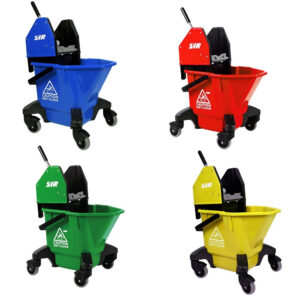
Using the same mop and bucket to clean a bathroom and then a kitchen is one of the fastest ways to spread bacteria and viruses. This is why colour-coding was introduced.
By assigning a specific colour to each area, businesses can eliminate the risk of cross-contamination and ensure high hygiene standards are met across the board.
The Standard UK Colour-Coding System
To help your staff stay compliant, most UK businesses follow this universal system:
- Red: Reserved for high-risk sanitary areas, such as toilets, washrooms, and bathroom floors.
- Yellow: Used for clinical and washroom surfaces, including sinks and mirrors.
- Blue: Assigned to general low-risk areas, such as offices, hallways, and classrooms.
- Green: Dedicated to food preparation areas, professional kitchens, and bar environments.
Why Buy Mops and Buckets in Bulk?
For businesses managing multiple sites or high-traffic facilities, purchasing mops and buckets in bulk is a strategic move that goes beyond the price-per-unit.
High-use environments such as commercial kitchens or hospitals require frequent rotation of mop heads to maintain hygiene standards. By stocking up on essentials, you ensure your team never has to compromise on cleanliness due to a lack of fresh supplies.
At UK Cleaning Supplies, we specialise in helping commercial customers manage these inventory needs efficiently. Buying in bulk allows you to:
- Reduce Long-Term Costs: Lower your price-per-unit on high-turnover items like socket mop heads and microfibre pads.
- Ensure Consistency: Maintain the same equipment standards and colour-coding across your entire cleaning fleet.
- Minimise Downtime: Avoid operational delays caused by waiting for restocks of essential handles or buckets.
Frequently Asked Questions
We’ve answered the most common questions our trade customers ask to help you secure the best results for your premises:
For kitchens, a Kentucky mop is generally the best choice. These mops are designed with high-absorbency yarn to handle the heavy spills and grease often found in food preparation areas.
Flat mops are the industry standard for healthcare. Their low-water usage and easily interchangeable microfibre pads significantly reduce the risk of cross-contamination between rooms.
In a high-traffic trade environment, mop heads should be replaced every 1 to 3 months, depending on usage. If a mop head becomes frayed, heavily discoloured, or retains a persistent odour, it should be replaced immediately to maintain hygiene standards.

UK Cleaning Supplies Expert Insights Team
Trusted Commercial Cleaning & Hygiene Solutions
UK Cleaning Supplies supports businesses, schools, and facilities nationwide with trade-grade products, wholesale cost savings, and professional advice.
Our Expert Insights Team brings together industry knowledge across commercial cleaning, chemical procurement, and facilities management to share practical guidance that helps you maintain a safer, cleaner, and more cost-effective working environment.