
Commercial, How To
How To Maintain Your Cleaning Tools And Equipment

Jul
In the hustle and bustle of our daily lives, cleaning becomes a routine task we complete without much thought. This essential chore not only maintains the aesthetics of our living space but contributes to a healthy and hygienic environment. We often overlook a crucial aspect – the maintenance of our cleaning tools, which can affect their effectiveness.
By taking time to care for our brooms, mops, vacuum cleaners and brushes, we save valuable time and preserve the lifespan of our cleaning tools.
Read on to delve into the importance of cleaning equipment maintenance and explore our top tips for ensuring proper cleaning tool care.
Why Do Cleaning Tools Need To Be Maintained?
Proper maintenance of cleaning tools is crucial for several reasons. Firstly, properly maintained cleaning equipment will perform its intended functions more effectively. Dirty cleaning products will spread contaminants around rather than remove dirt and grime. If cleaning tools are not maintained properly, they will become a breeding ground for bacteria, mould or other harmful microorganisms.

Benefits Of Cleaning Your Cleaning Tools
Regular maintenance of cleaning tools will also extend their lifespan, reducing the need for replacements and waste while also saving you money. Cleaning tools will also maintain peak performance, and proper maintenance prevents unnecessary damage to cleaning tools and surfaces. For example, using a worn-out brush with stiff bristles on delicate surfaces can cause scratches.
Keeping our cleaning tools in top shape is also good for the environment! Making new cleaning tools takes up raw materials and energy, so when we use and maintain them longer, we’re cutting down on the resources needed. That’s a win for Mother Nature! Oh, and get this – well-maintained tools, like vacuum cleaners, run more efficiently, so we save energy too. It’s like a double whammy of eco-friendliness
Cleaning tool maintenance
Knowing how to maintain all of your cleaning tools can be overwhelming, so we have compiled a list of our top tips for cleaning your cleaning tools:
How To Clean Your Broom
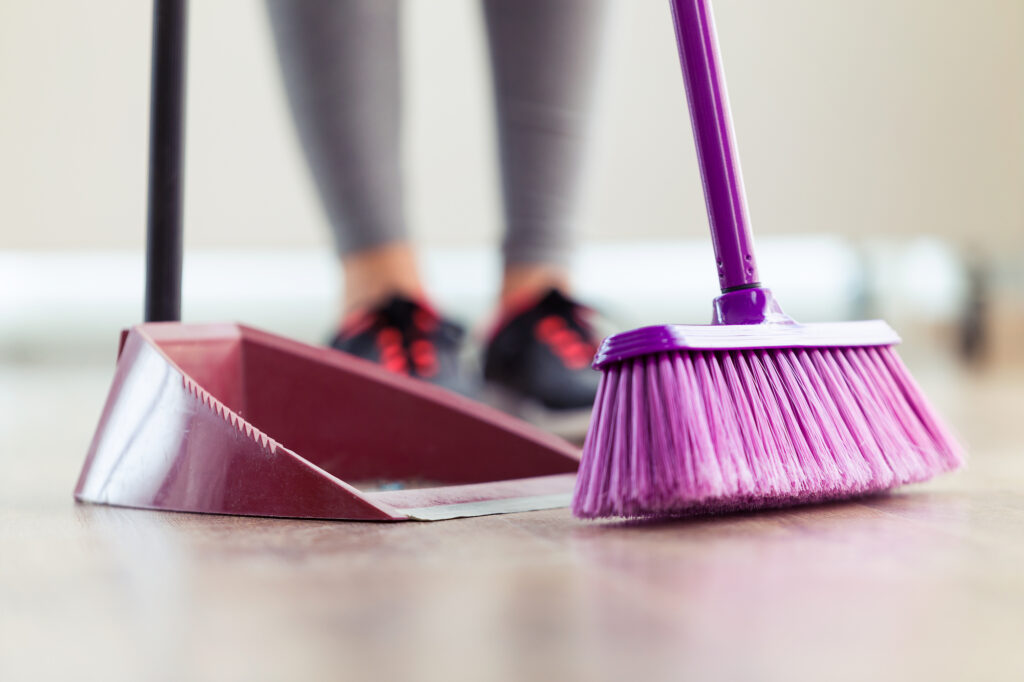
After a sweeping session, give those bristles some love by removing hair, dust and debris from bristles by tapping the broom on the ground or using the handheld brush. When cleaning the broom head, clean it with soapy water and rinse thoroughly. We recommend storing the broom upside down to prevent bristles from bending and losing their shape, and do not leave the broom standing on its bristles.
Mop Maintenance
After each use, rinse mop heads thoroughly to remove dirt and residue. Whether you hand wash or use a machine, ensure mop heads are washed with mild detergent and warm water – and avoid using bleach or softeners. Like brooms, mop heads should also be stored upside down to prevent mildew growth and to maintain their shape.

Cleaning Vacuum Cleaners
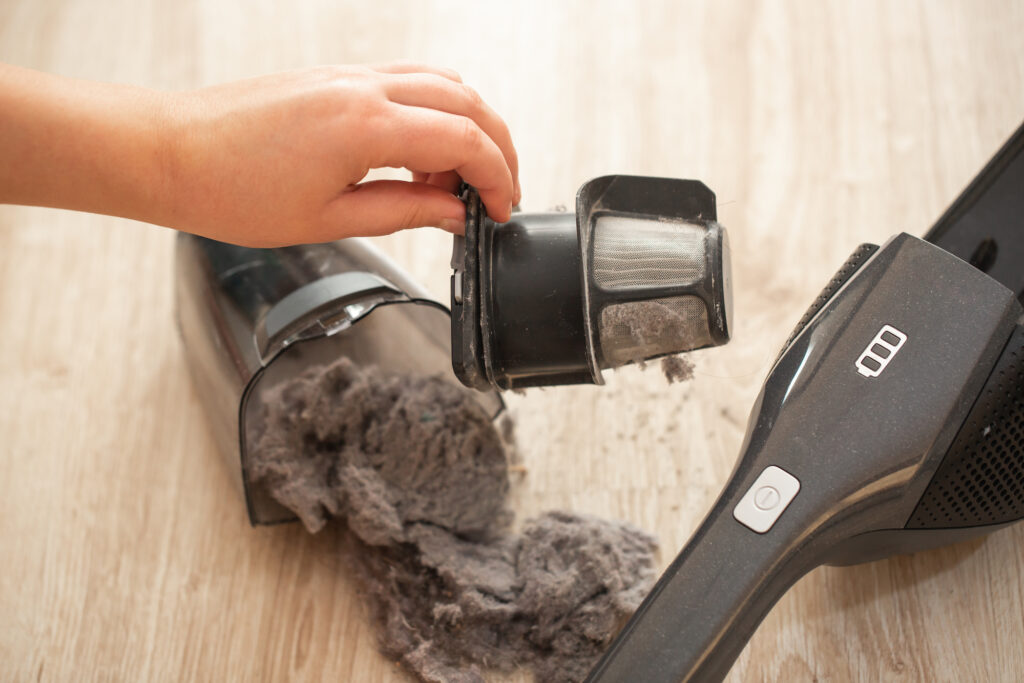
Regularly empty your vacuum cleaner’s dustbin and replace bags when they are about two-thirds full to maintain optimal suction power. Many vacuum manufacturers recommend frequently cleaning or replacing filters to prevent clogs and maintain airflow. It is also recommended to check the brush roll for tangled hair and debris and use scissors to remove any obstructions.
Washing Microfibre Cloths
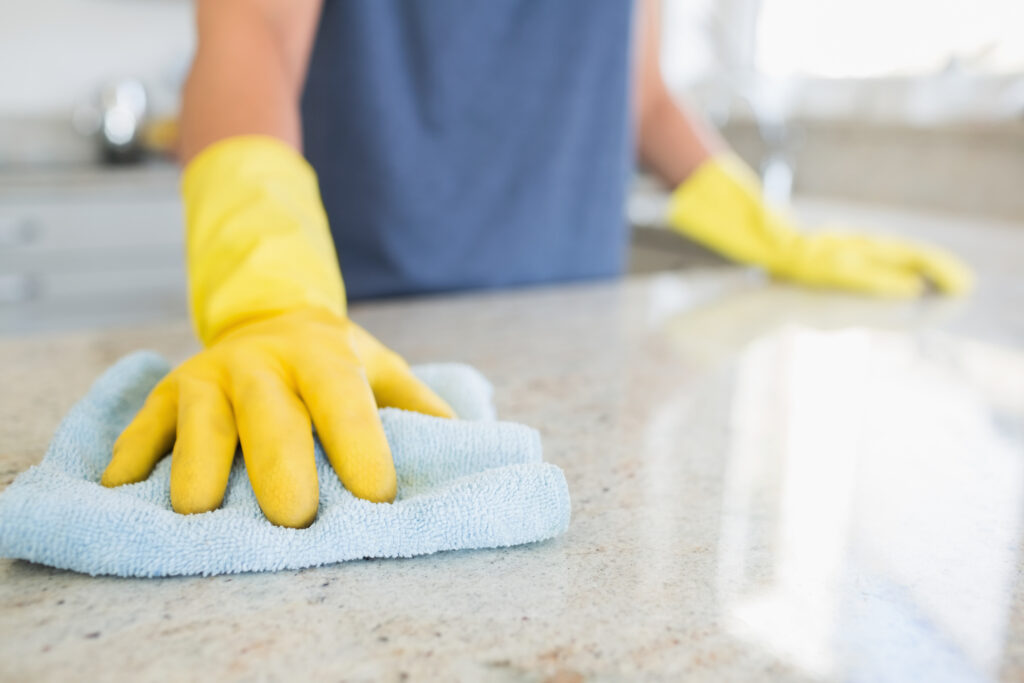
Rinse microfibre cloths thoroughly after each use to remove dirt. For a more thorough clean, machine wash microfibre cloths in cold or warm water with mild washing liquid – again, avoid using harsh chemicals like bleach or softeners. Then dry your clothes on low heat or let them air dry. We also recommend that you do not use microfibre cloths on oily or greasy surfaces, as they can reduce the absorbency of your cloths.
Best Way To Clean A Sponge
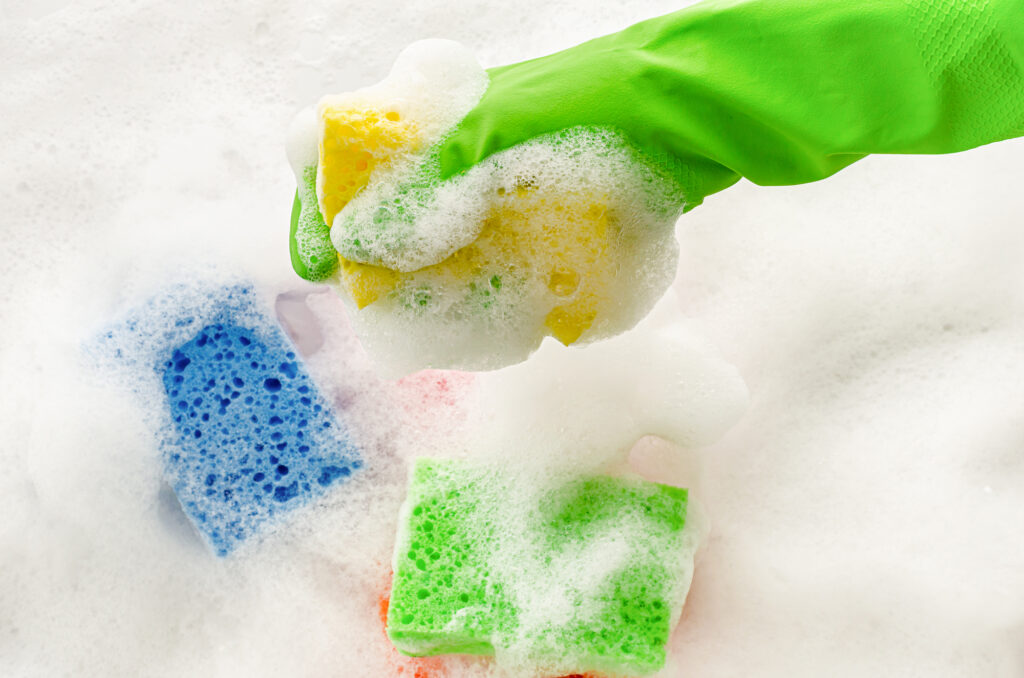
Rinse sponges after each use and ensure you squeeze out excess water to prevent bacteria growth. You can disinfect them by microwaving damp sponges on high heat for 1-2 minutes or running them through a dishwasher. Also, replacing sponges every two weeks or when they show signs of wear and tear would be best.
Storing Cleaning Chemicals
You should always close the bottles of cleaning chemicals such as bleach or purpose cleaner. This prevents the evaporation of fumes, which can be harmful if breathed in. They should also be stored away from extreme temperatures and direct sunlight. Furthermore, ensuring you adhere to dilution ratio suggestions is vital for achieving the right balance of efficiency and safety.
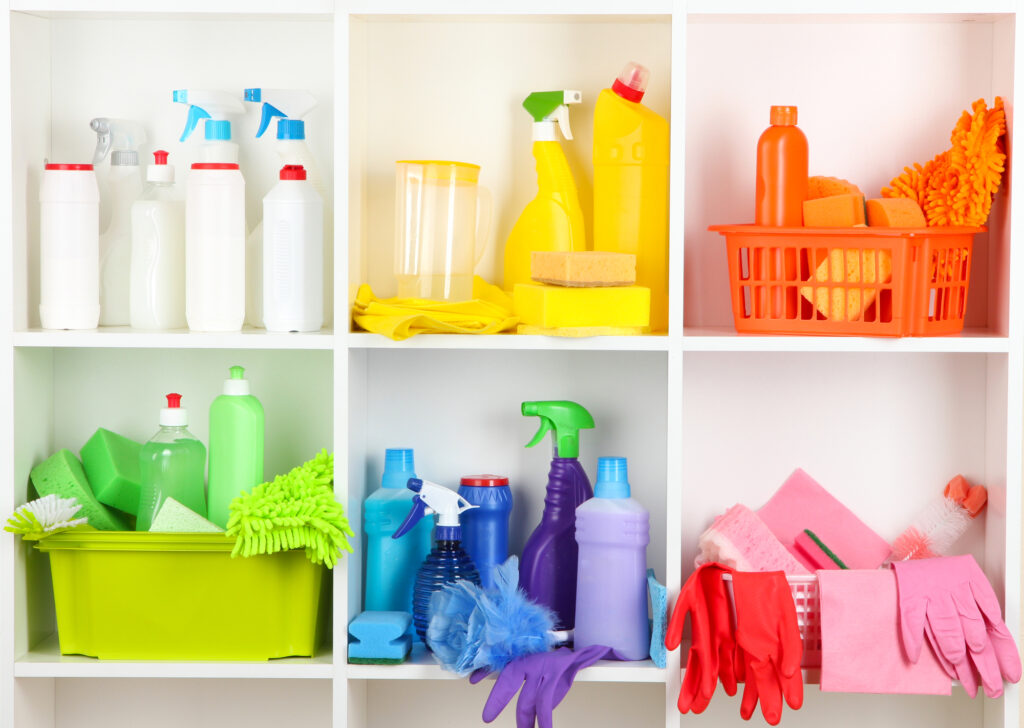
When to replace your cleaning tools?
Knowing when to replace your cleaning tools is vital to maintain effective and efficient cleaning practices. Over time, your cleaning tools will endure wear and tear, making them less effective.
As a general rule of thumb, consider replacing cleaning tools when you notice visible signs of damage, such as frayed bristles on brushes, worn-out sponges or mop heads. You should also get rid of any cleaning tools with unusual odours or discolouration.

There you have it… That's how to maintain your cleaning tools!
Being proactive about replacing worn-out or damaged cleaning supplies ensures you maintain a clean and healthy environment when using these tools to clean your home.
While it may be a mundane chore, it’s an investment in the effectiveness and longevity of your cleaning routine. A little TLC goes a long way in extending the life of our cleaning tools.
Embrace these simple yet impactful maintenance tips and keep your cleaning tools in tip-top shape.
Happy cleaning! ????????

UK Cleaning Supplies Expert Insights Team
Trusted Commercial Cleaning & Hygiene Solutions
UK Cleaning Supplies supports businesses, schools, and facilities nationwide with trade-grade products, wholesale cost savings, and professional advice.
Our Expert Insights Team brings together industry knowledge across commercial cleaning, chemical procurement, and facilities management to share practical guidance that helps you maintain a safer, cleaner, and more cost-effective working environment.