-
×
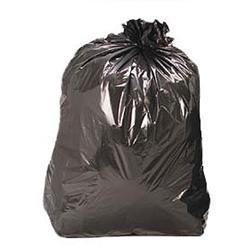 Extra Heavy Duty Black Refuse Sacks
2 × £25.77
Extra Heavy Duty Black Refuse Sacks
2 × £25.77

17
Feb
Feb
Struggling with a blocked drain? Don’t worry, this is a common issue that many of us face at some point.
However, it can quickly become a major headache if you don’t act fast, as a small clog can quickly turn into a messy and expensive disaster.
Whether you’re standing in a shower that won’t drain or staring at a kitchen sink that’s completely backed up, that unpleasant stagnant water and nasty smell are signs that your pipes need a bit of TLC.
While outdoor drains usually get clogged with mud and leaves, the drains inside your home deal with a daily buildup of hair, soap scum, and kitchen grease.
So, Why Do Indoor Drains Get Clogged?
It’s easy to ignore plumbing until something goes wrong, but understanding what causes a blockage is the first step in keeping your home running smoothly.
Unlike outdoor drains that face the elements, indoor drains have to handle the byproducts of our daily routines.
Over time, these materials build-up, reducing water flow and eventually causing a total blockage.
Here are the most common culprits of blocked drains:
- Fats, Oils & Grease (FOG): Pouring leftover cooking fats down the kitchen sink is a leading cause of clogs, as they solidify into “fat-bergs” inside your pipes.
- Hair & Soap Scum: In bathrooms, hair often tangles with soap scum, creating a thick, stubborn mat that slows your shower.
- Organic Matter: Food waste in sinks or excessive toilet paper can quickly cause an obstruction.
- Limescale & Mineral Deposits: Just like in a kettle, hard water can leave chalky deposits that narrow your pipes over time.
How to Unblock Drains: Getting Started
Before you start attempting to unblock a drain, it’s important to have the right kit on hand to ensure the job is done safely.
Whether you are tackling a minor kitchen clog or a stubborn toilet obstruction, gather these essential supplies first:
- Rubber gloves (To keep your hands clean and protected)
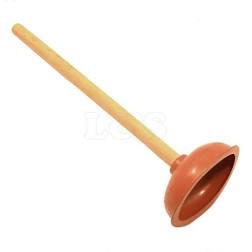
- A plunger (To force out physical blocks)
- Boiling Water (To melt away surface-level grease and fats.)
- Drain cleaning chemicals (To clear stubborn organic blockages)
How to Unblock a Sink Drain
Kitchen and bathroom sinks are prone to clogs from food grease and oils, toothpaste, and soap scum.
- Step 1: Remove the plug and clear away any visible hair or food.
- Step 2: Pour boiling water down the drain to help melt away grease and soap.
- Step 3: Use a plunger to create pressure and shift the blockage.
Recommended products:
Use Mr Muscle Sink & Plug Cleaner for everyday clogs. For heavy-duty grease or total blockages, use BT3 Grease Trap Maintainer for industrial-strength results.

How to Unblock a Shower Drain
Standing water in your shower tray is almost always caused by a buildup of hair and organic soap matter.
- Step 1: Lift the drain cover or grate so you can see into the trap.
- Step 2: Using your gloves, pull out any hair tangles or soap buildup you can reach.
- Step 3: Flush the drain with hot water to clear away any remaining loose debris.
Recommended products:
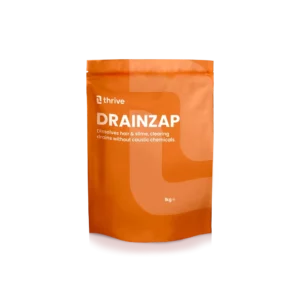
Removing hair manually can be very difficult. To dissolve hair that is lodged deeper in the pipes, we recommend DrainZap. It’s much more effective than standard cleaners at breaking down organic matter and hair.
How to Unblock a Toilet
A blocked toilet is never fun, but most can be fixed quickly with the right technique.
- Step 1: Use a plunger to create a tight seal and use firm up-and-down motions to push the blockage through.
- Step 2: Once the water level drops, flush the toilet a few times to make sure everything is clear.
- Step 3: Give the bowl a good clean to sanitise the area and remove any odours.
For a more intestive scrub-down, follow our steps on how to clean your toilet properly to remove heavy stains and limescale.
Recommended products:
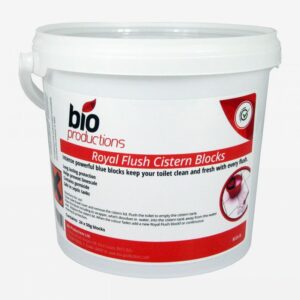
To keep your toilet smelling fresh and looking clean between deep cleans, try Royal Flush Cistern Blocks. They sanitise the water with every flush to help prevent grime from building up.

The Best Drain Unblocking Cleaning Supplies
Here are our top picks for keeping your home’s plumbing in top shape:


How to Prevent Future Blockages
The best way to address a blocked drain is to prevent it from happening in the first place!
Regular care can save you a lot of hassle and money on repairs later on.
Quick Prevention Tips:
- Install Drain Guards: These cheap mesh covers catch hair and food scraps before they ever enter your pipes.
- Bin Your Grease: Never pour cooking oil down the sink; let it cool and put it in the bin instead.
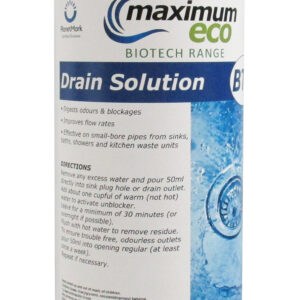
- Weekly Maintenance: Once a week, flush your drains with boiling water and a splash of BT8 Drain Solution to keep them clear.
- Only Flush the Basics: Avoid flushing wipes or sanitary products, as they are the leading cause of major toilet blockages.
By staying proactive with these simple tips, you can ensure your home’s drainage system functions efficiently year-round!
Be Prepared for Your Next Blockage
Unblocking your own drains doesn’t have to be a daunting task. By acting quickly and using professional-strength products like DrainZap or BT3, you can clear stubborn clogs yourself and avoid the cost of an emergency plumber.
Keep your home running smoothly by stocking your cleaning cupboard with the right tools today, so you’re always prepared for the next “blockage emergency.”

UK Cleaning Supplies Expert Insights Team
Trusted Commercial Cleaning & Hygiene Solutions
UK Cleaning Supplies supports businesses, schools, and facilities nationwide with trade-grade products, wholesale cost savings, and professional advice.
Our Expert Insights Team brings together industry knowledge across commercial cleaning, chemical procurement, and facilities management to share practical guidance that helps you maintain a safer, cleaner, and more cost-effective working environment.