Guide, Health & Hygiene, Tips
The Top 9 Dirtiest Places in Your Home & How to Clean Them
Nov
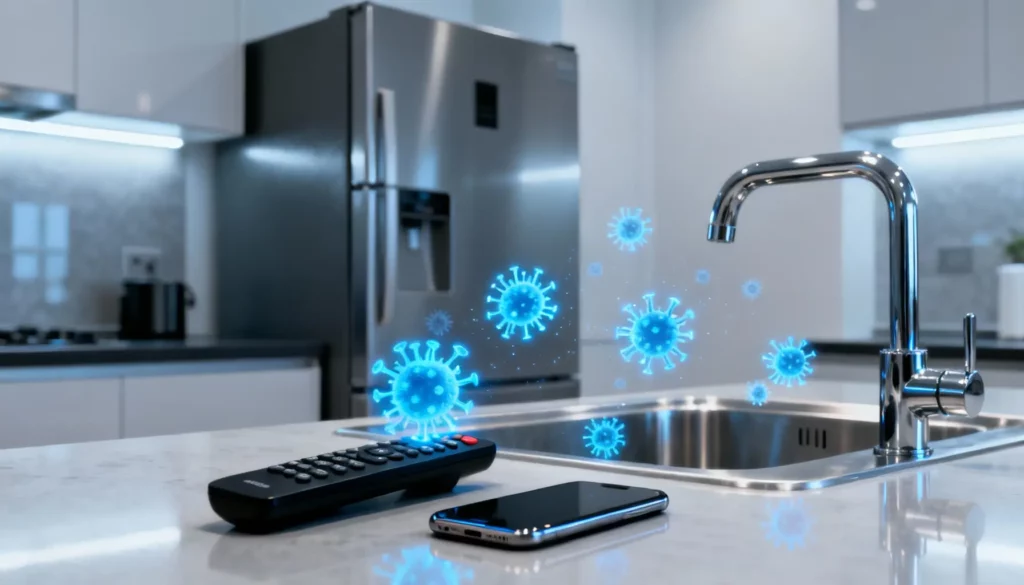
Most people assume the toilet is the dirtiest place in the house, but it’s not even close. In reality, bacteria thrive in everyday spots we touch constantly without even thinking about it.
From kitchen sponges to light switches, these hidden hotspots can spread germs throughout your home far quicker than you’d expect. In fact, a study by NSF International revealed that harmful bacteria were detected on 26 out of 30 everyday household items, showing just how easily germs can spread throughout the home.
In today’s guide, we reveal the top 9 dirtiest places in your home and exactly how to clean them to keep your space fresher, safer and more hygienic.
The Top 9 Dirtiest Places in Your Home
Here are the nine biggest germ hotspots in your home, along with the easiest ways to clean them.
1. Kitchen Sponge
Kitchen sponges stay damp for hours and soak up food particles, grease and bacteria from every surface they touch. As they are rarely fully dry, they become the perfect breeding ground for E. coli, Salmonella, and other germs. A 2011 Household Germ Study found that 75% of dish sponges tested contained coliform bacteria, making them one of the most contaminated items in the home.
How to clean:
- Disinfectant daily by microwaving a damp sponge for 1 minute
- Alternatively, soak in boiling water or disinfectant
- Replace every 1-2 weeks
2. Kitchen Sink & Taps
Your kitchen sink comes into contact with dirty dishes, raw meat juices, soap scum and standing water, all of which make it a major hotspot for bacteria and mould. Taps and handles collect germs from unwashed hands, making them easy places for bacteria to spread around your home.
How to clean:
- Scrub the sink daily with a disinfectant cleaner
- Wipe taps and handles with antibacterial wipes or spray
- Clean around the plughole and draining board weekly
3. Fridge Handles
Fridge handles are touched constantly throughout the day, often while cooking or unpacking food. As hands can be contaminated with raw food, grocery bags, pets or bins, fridge handles quickly become coated in germs, yet they are rarely cleaned as often as needed.
How to clean:
- Wipe handles daily with an antibacterial cloth or wipe
- Use warm, soapy water weekly to remove grime
- Don’t forget to clean fridge seals where crumbs hide
4. Remote Controls
Remote controls collect oils, crumbs and germs from hands, especially if you eat while watching TV. They are handled multiple times a day but rarely disinfected, making them one of the dirtiest items in living rooms and bedrooms.
How to clean:
- Wipe down weekly using a disinfectant wipe
- Use a cotton bud to clean between buttons
- Avoid spraying cleaner directly onto the remote
5. Light Switches & Door Handles
Everyone in your home touches these surfaces multiple times a day, making them major hotspots for germ transfer. Even though they may not look visibly dirty, they’re usually skipped during everyday cleaning, allowing bacteria to build up quickly.
How to clean:
- Wipe weekly with a microfibre cloth and disinfectant
- Increase cleaning during illness or busy household periods
- Pay extra attention to bathroom handles
6. Mobile Phones
Your phone goes everywhere with you, from work to public transport and even the bathroom, picking up bacteria from every surface it touches. Sweat, makeup, oils and dust all cling to the screen and case, making it one of the germiest personal items you own.
How to clean:
- Use alcohol-based tech wipes daily
- Spray a microfibre cloth with a screen-safe disinfectant
- Let it dry fully before replacing toothbrushes
7. Toothbrush Holder
Toothbrush holders trap water, toothpaste residue and bathroom moisture, creating a warm, damp environment where bacteria and mould can thrive. As they are often situated close to the sink and behind taps, they’re easy to overlook during routine cleaning, despite storing items you put in your mouth.
How to clean:
- Rinse daily to remove residue
- Wash weekly in hot soapy water or disinfectant
- Let it dry fully before replacing toothbrushes
8. Towels & Bath Mats
Towels and bath mats stay damp after each use, which creates an ideal environment for bacteria, mildew, and odour buildup. They collect body oils, sweat and dead skin cells and can quickly become unhygienic if not washed frequently.
How to clean:
- Wash towels every 2-3 days
- Wash bath mats weekly on a hot cycle
- Hand towels so they dry fully between uses
9. Carpets & Rugs
Carpets absorb everything from food crumbs, pet hair, dirt from shoes, to dust mites, pollen and allergens. High traffic areas can become especially contaminated, and bacteria can settle deep into fibres, making regular cleaning essential for a fresher home.
How to clean:
- Vacuum weekly to remove surface dirt
- Deep clean every 2-3 months using a carpet cleaner or a steam cleaner
- Spot clean spills immediately to prevent bacterial growth
How often should you clean these items?
Not sure how often to clean these items? Use this quick guide to help you stay on top of germs and keep your home feeling fresh.
| Item | Cleaning Frequency |
|---|---|
| Kitchen Sponge | Disinfect daily and replace every 1–2 weeks |
| Kitchen Sink & Taps | Clean daily and disinfect weekly |
| Fridge Handles | Wipe daily with a cleaning cloth |
| Remote Controls | Clean weekly |
| Light Switches / Door Handles | Clean weekly |
| Mobile Phones | Clean daily |
| Toothbrush Holder | Rinse daily and deep-clean weekly |
| Towels | Wash every 2–3 days |
| Bath Mats | Wash weekly |
| Carpets & Rugs | Vacuum weekly; deep clean every 2–3 months |
Quick Tips to Reduce Germs at Home
Keeping on top of daily habits can make a big difference when it comes to reducing germs around your home. Here are a few simple practices that help keep bacteria at bay:
- Wash your hands regularly (especially after cooking, cleaning or returning home)
- Avoid using the same cloth for multiple areas (to prevent cross-contamination between rooms)
- Use colour-coded cleaning cloths (so you always know which one is for the kitchen, bathroom or general surfaces)
- Clean high-touch areas more often (especially during illness)
- Keep surfaces dry
Recommend cleaning products to keep stocked
To tackle these germ hotspots effectively, here are some useful cleaning products to keep stocked at home:
- Antibacterial surface sprays for sinks, handles and worktops
- Disinfectant wipes for remotes, light switches and phones
- Microfibre cloths for general cleaning
- Bathroom disinfectants for toothbrush holders and bath mats
- Carpet and upholstery cleaners for deep cleaning rugs and carpets
Frequently Asked Questions
The kitchen sponge is often the dirtiest item in most households, carrying more bacteria than the toilet seat.
A light clean weekly and a deeper clean every 1–2 months works well for most households. (dependent on traffic and household size)
High-touch areas, such as phones, fridge handles, and kitchen worktops, benefit from daily cleaning to keep bacteria at bay.

UK Cleaning Supplies Expert Insights Team
Trusted Commercial Cleaning & Hygiene Solutions
UK Cleaning Supplies supports businesses, schools, and facilities nationwide with trade-grade products, wholesale cost savings, and professional advice.
Our Expert Insights Team brings together industry knowledge across commercial cleaning, chemical procurement, and facilities management to share practical guidance that helps you maintain a safer, cleaner, and more cost-effective working environment.