
Jan
Your dishwasher works hard to keep your dishes sparkling clean, but when was the last time you returned the favour and gave your dishwasher a proper clean?
If your dishwasher has started to smell, leave spots on your dishes or isn’t working as efficiently as it used to, it might be time to give it the attention it deserves.
In this blog, we will discuss why dishwasher cleaning is important, how often you should clean yours, and the best tips for cleaning its interior and exterior.
Why is dishwashing cleaning important?
Regularly cleaning your dishwasher helps it work better and last longer. Grease and food can build up over time, causing foul smells and making it less effective.
By keeping it clean, you’ll get spotless dishes and a reliable appliance you can count on.
Benefits of keeping your dishwasher clean
Keeping your dishwasher clean offers several benefits that help it run smoothly and last longer. Below are the top 4 benefits of a clean dishwasher:
- Better performance: A clean dishwasher will clean better and faster.
- Longer lifespan: Regular cleaning helps your dishwasher last longer.
- Improved hygiene: Cleaning removes food and odours.
- Energy and water savings: A clean dishwasher will use less water and energy, saving you money!
How often should you clean your dishwasher?
To keep your dishwasher working well, it’s important to clean it regularly. Here’s how often you should clean it depending on usage:
Once a month: For most households, a deep clean once a month should be enough to keep everything running smoothly.
Every 2 weeks: If you notice bad smells, cloudy dishes or slow drainage, clean it more often.
Every 6-8 weeks: If you use your dishwasher less frequently, you can clean it every few months.
Signs that your dishwasher needs cleaning
Not sure if its time for a deep clean? Look out for these signs:
- Bad smells: If your dishwasher smells, food or grease may be stuck inside
- Cloudy dishes: Dishes not coming out clean? It might need a clean
- Visible debris: If you see food or grime, it’s time to clean.
- Slow drainage: Water at the bottom could mean a clog
- Unusual noises: Strange sounds may mean something is blocking it
- Residue buildup: White marks or grease inside your dishwasher
Staying on top of dishwasher cleaning will improve its performance and prevent issues. If you are ready to give your dishwasher the care it deserves, read on to discover the essential supplies and most effective cleaning methods.
Essential dishwashing cleaning supplies
To keep your dishwasher clean and working well, you’ll need a few key supplies, such as:
- Dishwasher cleaner
- Microfibre cloth
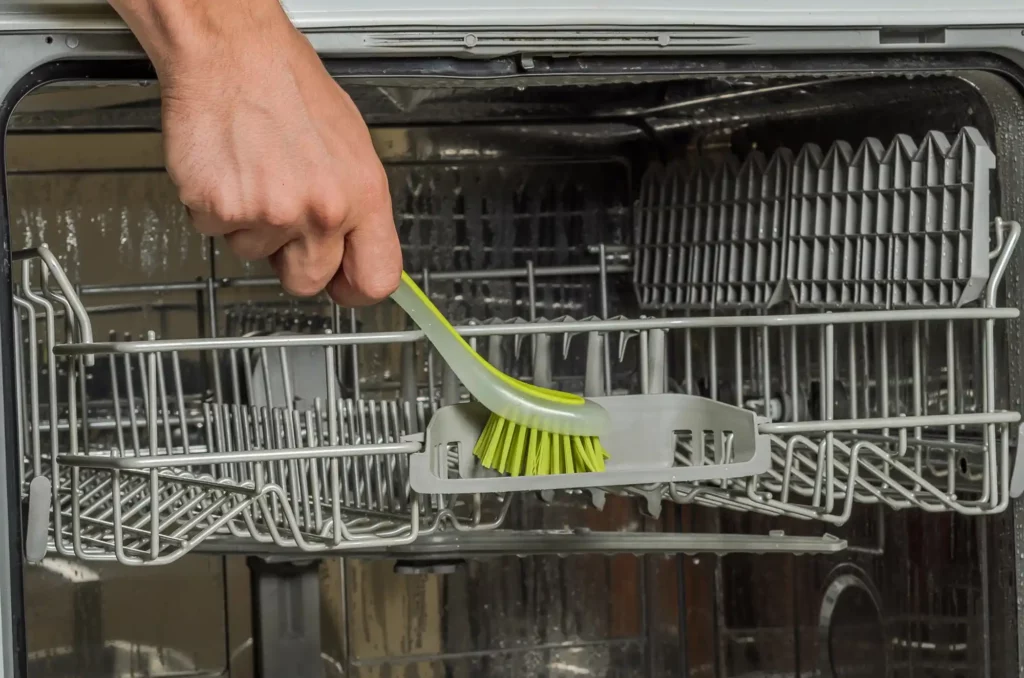
- Soft brush
- All-purpose cleaner
- Disinfectant
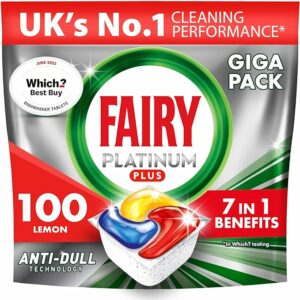
- Dishwasher tablets

Step-by-step: How to clean your dishwasher
As you know, keeping your dishwasher clean is crucial for its performance. In this section, we will focus on how to clean the key parts of your dishwasher, from the filter to the exterior.
By following these simple steps, you can enjoy cleaner dishes, eliminate odours and prevent any unwanted buildup.
Cleaning Your Dishwash Filter
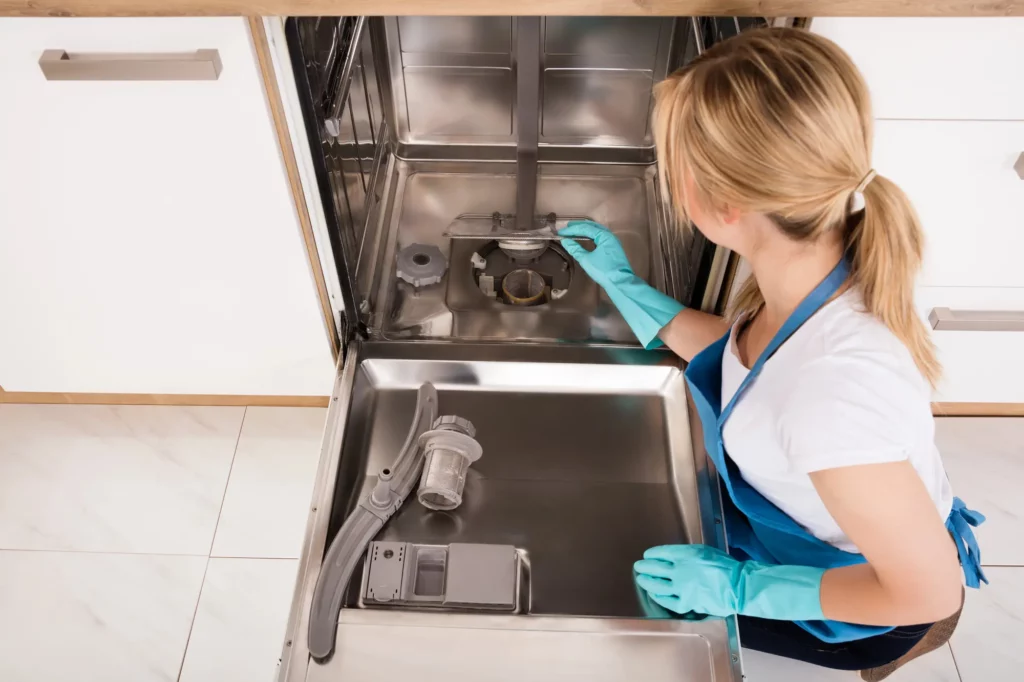
The filter catches food particles and debris to keep your dishwasher running efficiently. To clean it, remove the filter, rinse it with warm, soapy water and scrub any residue with a soft brush.
Cleaning the Spray Arms
The spray arms in your dishwasher distribute water to clean your dishes, so it’s important that they are free from blockages. To clean them, detach them and rinse them under warm water. If you notice clogged spray holes, we recommend using a toothpick to clear them.
Cleaning the Control Panel
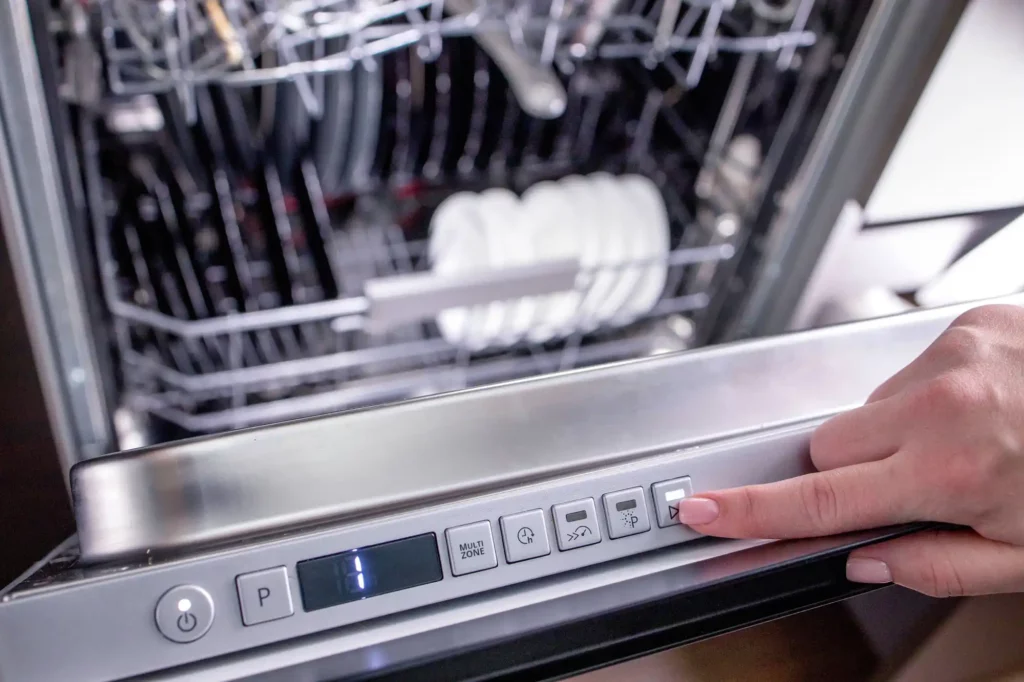
The control panel of your dishwasher can accumulate fingerprints and dust from regular use. Spray a small amount of multi-purpose cleaner onto a microfiber cloth and gently wipe down the buttons or touchscreen, avoiding spraying directly onto the panel.
Cleaning the Interior Walls and Doors
The walls and doors of your dishwasher collect grime and soap scum over time. Wipe down the dishwasher with a damp cloth and warm, soapy winter.
Cleaning the Dishwasher Seals
The rubber seals of a dishwasher prevent leaks and trap mould and debris from escaping. Wipe down with a damp cloth and warm, soapy winter using a brush to scrub away stubborn buildup.
Cleaning the Bottom of your Dishwasher
Food debris often settles at the bottom of a dishwasher and can cause drainage problems. After removing and cleaning the filter, wipe down the bottom of the dishwasher with a damp cloth and disinfectant before replacing the filter.
Cleaning the Dishwash Exterior
The exterior, especially the door and handle, can accumulate fingerprints and grease. Wipe down these areas with a microfibre cleaner. It’s also recommended that a stainless steel cleaner be used to polish the exterior of the dishwasher.
Keep your dishwasher clean and running smoothly
Maintaining a clean dishwasher ensures your appliance works efficiently, provides spotless dishes, and lasts for years.
By following the steps above, you’ll eliminate odours, remove grime, and keep your dishwasher performing at its best.
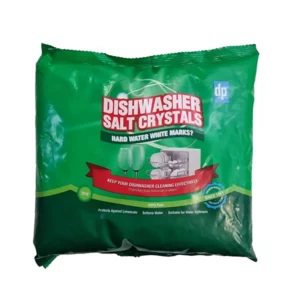
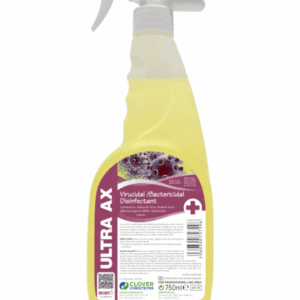
Ready to stock up on dishwasher cleaning supplies? Check out the range of cleaning supplies available, from dishwasher tablets to disinfectants to keep your dishwasher in top shape.



dishwashing cleaning faqs
A self-cleaning cycle is a setting that cleans the inside of your dishwasher. It uses heat and water to remove grease and dirt without dishes inside.
Replace your dishwasher if it’s over 10 years old, breaks down often, or stops cleaning your dishes properly even after cleaning it.
To unclog your dishwasher, clean the filter, check the drain for food, and make sure the spray arms aren’t blocked. You might also need to check or clear the drain hose.
To prevent buildup, clean the filter often, run a cleaning cycle every month, and wipe down the inside of your dishwasher. Also, don’t overload it and scrape large food scraps off dishes before loading.
Spots on dishes can be caused by hard water, detergent buildup, or using too much detergent. Try using a rinse aid or adjusting the amount of detergent.

UK Cleaning Supplies Expert Insights Team
Trusted Commercial Cleaning & Hygiene Solutions
UK Cleaning Supplies supports businesses, schools, and facilities nationwide with trade-grade products, wholesale cost savings, and professional advice.
Our Expert Insights Team brings together industry knowledge across commercial cleaning, chemical procurement, and facilities management to share practical guidance that helps you maintain a safer, cleaner, and more cost-effective working environment.