Guide, Product Spotlight, Tips
What Is an Enzyme Cleaner? Uses, Benefits & How to Choose the Right One for the Job
Jan
From stubborn stains to lingering odours, enzyme cleaners are often used where traditional cleaning products fall short.
In this guide, we break down how enzyme cleaners work, what they’re used for, and how to choose the right enzyme cleaner for the job.
What Is an Enzyme Cleaner?
An enzyme cleaner (also known as an enzymatic cleaner) is a cleaning solution that uses naturally occurring enzymes to break down organic substances such as fats and starches, commonly found in everyday dirt, food waste, grease, bodily fluids and odours.
How Do Enzyme Cleaners Work?
Enzyme cleaners work by targeting the organic material that causes dirt, stains and odours. When applied, the enzymes attach themselves to substances such as grease, food residue and proteins, breaking them down into smaller particles that can be easily wiped away or rinsed off.
Different enzymes are used to tackle different types of organic matter, including:
- Breaking down protein-based stains such as food, blood and sweat (proteases)
- Targeting fats and grease (lipases)
- Breaking down starches and carbohydrates (amylases)
This allows enzyme cleaners to work more precisely than many traditional cleaning products. Enzymes continue working while moisture and organic material are present, which means enzyme cleaners may take a little longer to take effect but often provide a deeper, longer-lasting clean.
What Are Enzyme Cleaners Used for?
Enzyme cleaners are commonly used for cleaning tasks where organic dirt, stains or odours are the main problem.
Laundry & fabric stains
Enzyme cleaners help remove stains and odours from clothing and fabrics by breaking down substances such as food, sweat and bodily fluids. They are commonly used in everyday laundry and stain treatment.
Drains & grease build-up
Enzyme drain cleaners help break down grease, food waste and organic build-up. Regular use can help keep drains flowing freely and reduce unpleasant smells. For more advice on drain issues, read our guide on how to unblock a drain.
Odours & hygiene
Enzyme cleaners are often used in areas where odours are caused by organic waste. By breaking down the source of the smell rather than masking it, they help improve overall hygiene and freshness.
Carpets & upholstery
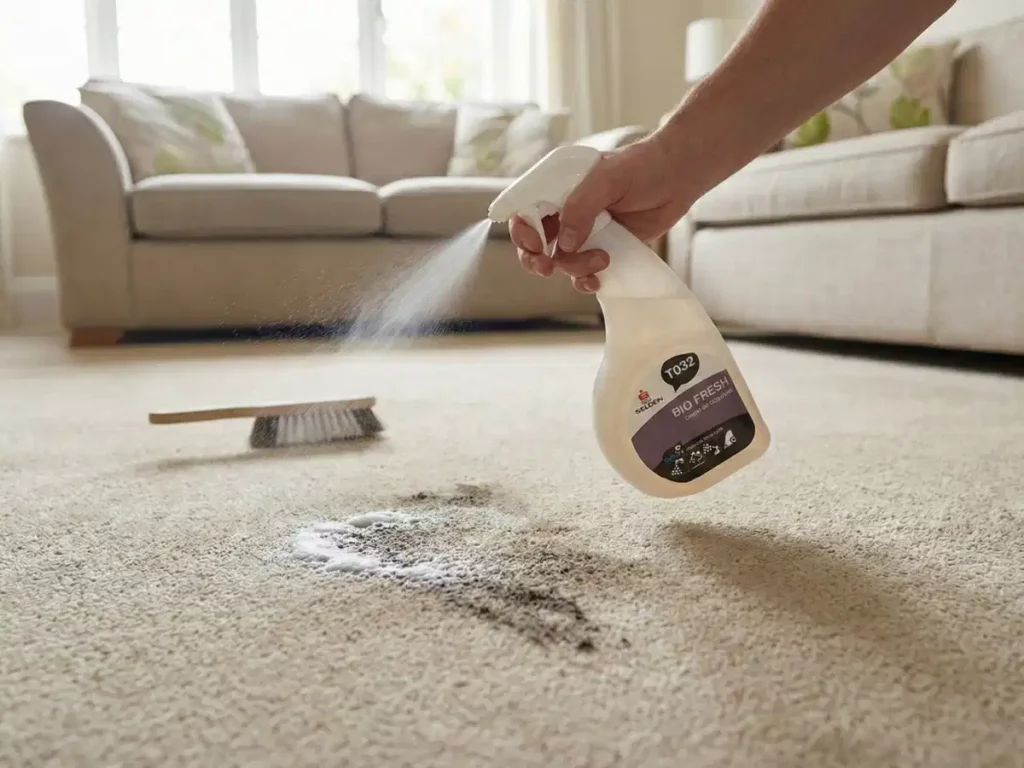
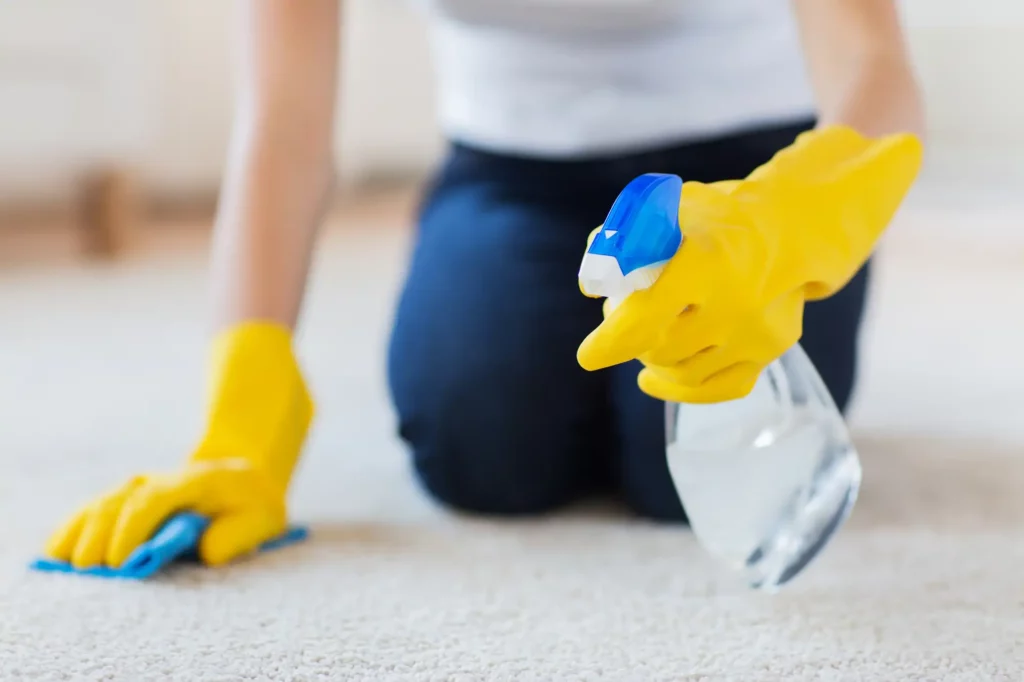
For carpets and upholstery, enzyme carpet cleaners help tackle stains and odours trapped within fibres, making them useful in high-use areas and spaces prone to spills. For more information, read our guide on the best way to clean carpets.
Enzyme Cleaners vs Traditional Cleaners
Traditional cleaners are commonly used for quick surface cleaning and disinfection.
These include products such as multi-surface cleaners, disinfectant sprays, degreasers, and bathroom cleaners, designed to deliver fast, visible results.
Enzyme cleaners work differently, breaking down organic dirt, stains and odours at their source rather than simply removing or masking them.
For this reason, both enzyme cleaners and traditional cleaners have their own place, depending on the type of cleaning task and the result you’re looking for.
At a glance, here is a comparison:
Comparison of enzyme cleaners and traditional cleaners by function and typical use.
| Feature | Enzyme Cleaners | Traditional Cleaners |
|---|---|---|
| How they work | Break down organic dirt using natural enzymes | Use chemicals to dissolve or remove dirt |
| Best for | Organic stains, odours, grease and waste | General cleaning and surface disinfection |
| Speed | Slower, ongoing action | Fast, immediate results |
| Odour removal | Break down the source of odours | Often masks odours |
| Ongoing effect | Continues working while moisture is present | Stops working once wiped away |
| Typical uses | Laundry, drains, carpets and odour control | Kitchens, bathrooms and hard surfaces |
How to Choose the Right Enzyme Cleaner
Choosing the right enzyme cleaner depends on what you’re cleaning and the type of organic mess you’re dealing with. Different enzyme cleaners are designed for different applications, so understanding the intended use will help you get the best results.
Understanding product labels can also help when choosing a cleaner. Our guide to cleaning product labels explains what to look out for.
The best enzyme cleaner for any situation depends on the type of organic mess being treated and how the product is used. Rather than using one product for everything, it’s often more effective to select an enzyme cleaner that matches the specific cleaning task.
When choosing an enzyme cleaner, consider:
- The surface or material being cleaned.
- Whether it’s for domestic or professional use
- If it is intended for maintenance or deep cleaning
- Allow enough time to work
- Avoid rinsing or wiping away too quickly.
Explore our Range of Enzyme Cleaners
Below are some of the enzyme cleaners available at UK Cleaning Supplies and the types of cleaning tasks they are typically used for.
Laundry & Fabric Cleaning:
-
 Puriti Laundry Enzyme Boost Destainer
Price range: £33.62 through £129.23
Puriti Laundry Enzyme Boost Destainer
Price range: £33.62 through £129.23
Used during the wash process to help break down stains and odours.
-
Prochem Pure Clean 4 kg
£47.75

Suitable for fabric and carpet cleaning applications.

A versatile cleaner for fabrics and general cleaning tasks
Drains and Grease Build Up:
-
Zi-Gest Drain Enzyme Maintainer
Price range: £34.65 through £139.73
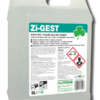
Commonly used for regular drain maintenance
Designed to help break down grease and food waste in kitchen drainage systems
Drains and Grease Build Up:
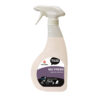
Suitable for general odour control in commercial and high-use environments

A concentrated solution for managing persistent odours
Matching the right enzyme cleaner to the task helps achieve better results. If you need further advice, feel free to get in touch.

UK Cleaning Supplies Expert Insights Team
Trusted Commercial Cleaning & Hygiene Solutions
UK Cleaning Supplies supports businesses, schools, and facilities nationwide with trade-grade products, wholesale cost savings, and professional advice.
Our Expert Insights Team brings together industry knowledge across commercial cleaning, chemical procurement, and facilities management to share practical guidance that helps you maintain a safer, cleaner, and more cost-effective working environment.