Guide, Product Spotlight
Bleach vs Disinfectant: Are They the Same Thing?

Oct
Bleach kills germs. Disinfectant also kills germs. So.. are they the same thing?
Not quite. They sound like they do the same thing, but they actually work in different ways and sometimes are not suitable for specific jobs.
While bleach is technically a type of disinfectant, not all disinfectants are bleach.
In this quick guide, we’ll explain the difference between bleach and disinfectant, when to use each one, and how to choose the right product for the job.
What is Bleach?
Bleach is a powerful cleaning and disinfecting solution, most commonly made using sodium hypochlorite diluted in water. It works through oxidation, breaking down and destroying germs, stains and organic matter on contact.
This makes it highly effective for:
- Disinfecting toilets, drains and bins
- Removing mould and mildew
- Whitening laundry and tackling stubborn stains
While highly effective, bleach can be too harsh for certain materials, so it should only be used on colour-fast, non-porous surfaces and always diluted according to instructions.
What is Disinfectant?
Disinfectant is also designed to kill germs on surfaces, but unlike bleach, it can be made with different active ingredients, making it suitable for more frequent use.
The most common disinfectant ingredients include:
- Quaternary ammonium compounds (quats): often used in antibacterial sprays and wipes
- Alcohol (ethanol or isopropyl): commonly found in hand sanitisers and surface sprays
- Hydrogen peroxide: used in milder disinfectant products
- Organic acids or plant-based actives: found in eco-friendly formulas
Unlike bleach, disinfectants don’t whiten or strip colour or corrode materials, making them suitable for everyday use on worktops, food prep areas and other high-touch surfaces.
What are the Key Differences between Bleach and Disinfectant?
Although both products are designed to kill germs, they behave very differently once applied. Here’s a quick comparison to show how bleach and disinfectant stack up:
| Feature | Bleach | Disinfectant |
|---|---|---|
| Main Ingredient | Sodium hypochlorite | Quats, alcohol, peroxide, etc. |
| Whitening / Stain Removal | Yes | No |
| Safe for Daily Use | No | Yes |
| Strong Smell | Yes, strong chlorine scent | Varies by formula |
| Surface Compatibility | Limited — can damage metals, fabrics & porous surfaces | Generally safer on plastics, stone and laminate |
| Best For | Toilets, mould, drains and stains | Worktops, hands, food prep areas |
In short: bleach is used for deep cleaning, while disinfectant is used for daily cleaning.
When to Use Bleach vs When to Use Disinfectant
Now that we’ve covered the key differences, here’s a simple guide to when you should reach for bleach and when disinfectant is the better choice:
Use bleach when:
- You need intense disinfection (i.e. toilets, drains, bins and outdoor areas).
- You’re dealing with mould, mildew or limescale.
- You want to whiten or remove stains from fabrics or grout.
Use disinfectant when:
- You’re cleaning kitchen worktops or food prep areas
- You need to sanitise high-touch surfaces, such as light switches, handles, or remote controls.
- You want everyday protection without harsh fumes or surface damage.
Can you Mix Bleach and Disinfectant?
No, you should never mix bleach with other cleaning products, including disinfectants.
When bleach is combined with chemicals like alcohol, ammonia or quats (which are commonly found in disinfectants and antibacterial sprays), it can release toxic fumes such as chlorine gas or chloroform, which can:
- Irritate the eyes, throat and lungs
- Trigger coughing or breathing difficulties
- Cause dizziness or nausea
- Become dangerous at higher concentrations
Even if there is no visible reaction, mixing cleaning chemicals can reduce their effectiveness, meaning surfaces may end up less clean or properly disinfected than intended.
Rule of thumb: Use one product at a time, rinse if needed, and never mix bleach with anything except water.
How to Choose the Right One for the Job
If you’re still unsure which product to use, a quick way to decide is by thinking about risk level and surface type:
| Question to Ask | If Yes → Use | If No → Use |
|---|---|---|
| Is this a high-germ area like a toilet, bin or drain? | Bleach | Disinfectant |
| Will the surface touch food, skin or pets? | Disinfectant | Bleach (with caution) |
| Do you need whitening or stain removal? | Bleach | Disinfectant |
| Is this part of your daily or routine cleaning? | Disinfectant | Bleach (occasionally) |
Bleach or Disinfectant: Which is Better?
Neither product is better than the other; they simply do different jobs.
- Bleach is your heavy-duty weapon for killing tough stains, removing mould and whitening stains. It’s powerful, but should only be used where it’s genuinely needed.
- Disinfectant is your everyday defender, safe for regular use on surfaces people touch often, especially in kitchens and bathrooms.
For most homes and workplaces, the ideal approach is to keep both on hand in your home:
- Reach for bleach when you need a deep clean or germ reset.
- Use disinfectant for daily maintenance and quick wipe-downs.
Ready to restock your bleach or disinfectant?
Whether you’re tackling stubborn stains or maintaining hygienic surfaces day-to-day, having the right products makes all the difference.
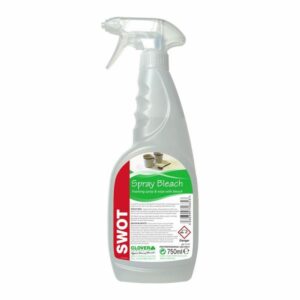
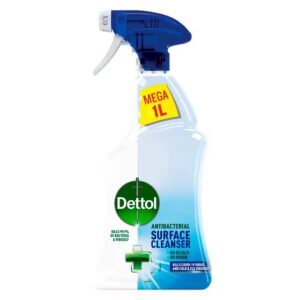
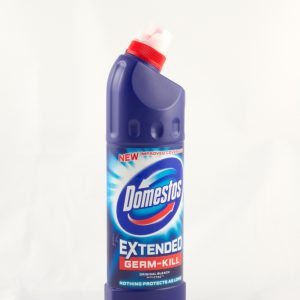
Explore our full range of bleach, disinfectants and surface cleaners to find the best match for your home or workplace.
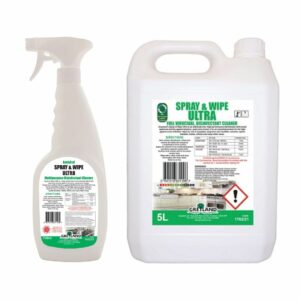
Bactericidal
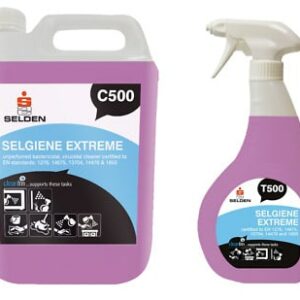
Disinfectants


UK Cleaning Supplies Expert Insights Team
Trusted Commercial Cleaning & Hygiene Solutions
UK Cleaning Supplies supports businesses, schools, and facilities nationwide with trade-grade products, wholesale cost savings, and professional advice.
Our Expert Insights Team brings together industry knowledge across commercial cleaning, chemical procurement, and facilities management to share practical guidance that helps you maintain a safer, cleaner, and more cost-effective working environment.