

Jul
Doing laundry is part of everyday life, but if it’s not done correctly, it can result in shrunken clothes, faded colours, or musty smells that won’t go away.
Whether you’re washing everyday clothes, bedding or school uniforms, using the right products and settings can make all the difference, from saving you money to extending the life of your clothes and washer.
In this complete UK guide for laundry cleaning, we’ll cover:
- How to sort your washing by colour, fabric and dirtiness
- How to understand laundry symbols on care labels
- The most useful laundry products to have at home
- Common washing mistakes and how to avoid them
- Eco-friendly laundry tips to save energy and money
Whether you’re new to laundry or just want to improve your routine, this guide will help make wash day quicker, easier, and more effective.
How to sort your washing the right way (for beginners)
Properly sorting your laundry is one of the easiest ways to protect your clothes and get the best results from each wash. Here are the key sorting methods to follow:
Sorting by colour
Separate clothes into these three colour categories to avoid colour bleeding and fading:
- Whites (e.g white shirts, socks, bed linens)
- Darks (e.g. black, navy, dark grey clothes)
- Brights (e.g reds, yellows, blues
Sorting by fabric type
Group your laundry based on fabric to use the right wash cycle and temperature:
- Cottons (e.g. t-shirts, towels)
Wash at 40°C–60°C for a thorough clean - Synthetics (e.g. polyesters, nylon, sportswear )
Wash at 30°C–40°C on a gentle cycle - Delicates (e.g. silk, lace, fine knits, lingerie)
Hand wash or use the delicate setting on the washing machine with mild detergent - Denim (e.g. jeans, denim jackets)
Wash inside out on cold or cool cycles to prevent fading and wear. - Mixed fabrics (e.g. cotton-polyester blends, elastane/stretch fabrics)
Use medium temperatures (30°C–40°C) and gentle cycles
Sorting by dirtiness
Don’t let dirty items ruin lightly worn ones. Group laundry by how soiled it is:
- Heavily soiled items (e.g. sports kits, gardening clothes)
- Lightly worn items – (e.g. office wear, casual tops)
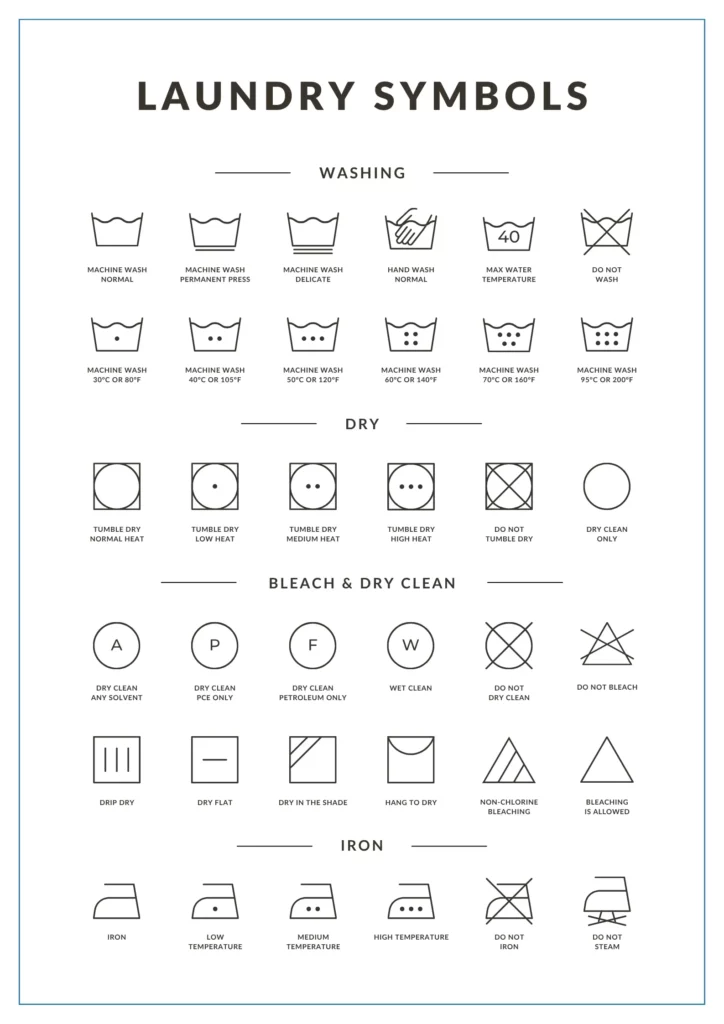
Understanding laundry symbols
Labels on your clothes will have laundry symbols that show how to wash, dry, iron, and care for your clothes. Understanding these icons helps you avoid damage and keeps your clothes looking their best.
Clothing care labels contain laundry symbols that explain how to wash, dry and iron garments. Understanding these icons helps you prevent shrinkage, colour fading and fabric damage.
Here’s a breakdown of the most common laundry symbols:
Most useful laundry products to have
Using the right laundry products can make wash day quicker, protecting fabrics and helping your washing machine perform at its best. Here’s what every household should keep in its laundry cupboard.
- Laundry detergent: Available in powder, liquid, or capsule form. Use a bio detergent for tough stains and a non-bio detergent for sensitive skin.
- Fabric conditioner/softener: Softens fabrics and reduces static. Avoid using on towels and sportswear.
- Stain remover: Pre-treat stubborn stains, such as food, mud, or grease, with a spray before washing.
- Mesh laundry bags: Protect delicate fabrics such as lingerie and socks by keeping them together
Looking to upgrade your laundry routine? Here are some of our top product picks to make washing easier and keep your clothes fresh, clean and protected.
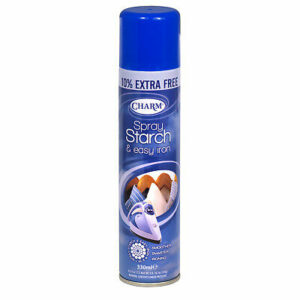

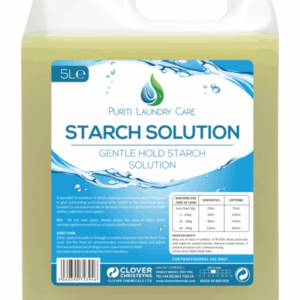
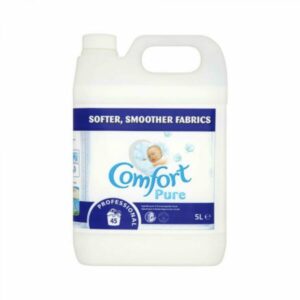
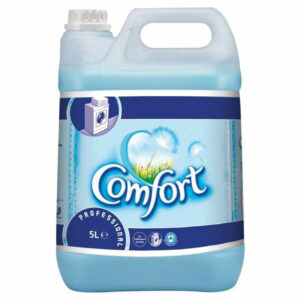
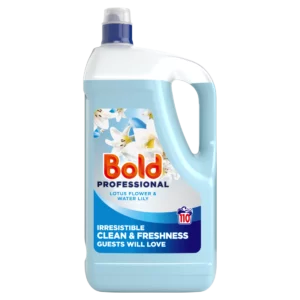
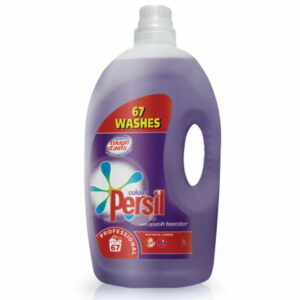
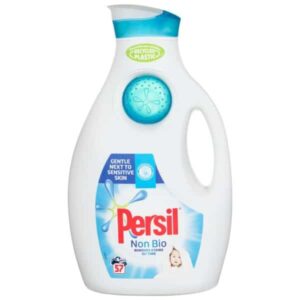


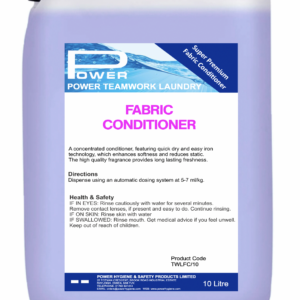
Laundry Supplies
Common laundry mistakes to avoid
Even small mistakes can damage your clothes or reduce the lifespan of your washing machine. Here are the most common errors and how to avoid them:
- Overloading the machine
Cramming too many clothes into the washing machine might seem like a time-saver, but it prevents water and detergent from circulating properly. Overloading can also lead to detergent build-up. - Using too much detergent
Adding extra detergent won’t make your clothes cleaner. It can leave behind a soapy residue on fabrics, irritate sensitive skin and can even clog parts of your washing machine. - Ignoring care labels
Skipping the care label might seem harmless, but it’s one of the quickest ways to shrink, fade or damage your clothes. - Not sorting properly
Throwing everything in together without sorting can cause colour bleeding and fabric damage, especially if you mix delicates with heavy or dark items. - Washing everything on one setting
Using the same wash program for every load can result in poor cleaning. Not all clothes need a long, hot wash; sometimes a gentle wash or eco cycle is better suited. - Skipping regular machine maintenance
A dirty washing machine won’t clean your clothes properly and may start to smell over time. Without regular care, you might also shorten your machine’s lifespan.
Tip: Always check pockets! Tissues, coins or pens can cause serious washing machine issues.
Tips for more efficient, eco friendly washing
Saving energy and water while doing laundry helps reduce your bills and your environmental footprint. Here are some simple ways to wash smarter:
- Wash full loads, but avoid overloading the machine.
- Use eco or low-temperature cycles when possible
- Skip the tumble dryer whenever possible — air drying saves energy and is gentler on fabrics.
- Use detergents designed for cold water washing.
- Clean your washing machine regularly to keep it efficient.
For more tips on saving energy and water during laundry, check out the Energy Savings Trusts advice on washing and drying clothes.
Laundry day? You got this!
Doing laundry doesn’t have to be a hassle. By sorting correctly, following care labels and using the right products and settings, you’ll keep your clothes looking fresh for longer, making wash day so much easier.
Ready to upgrade your routine? Explore our top laundry essentials or check out more cleaning tips to help you stay on top of the load.


UK Cleaning Supplies Expert Insights Team
Trusted Commercial Cleaning & Hygiene Solutions
UK Cleaning Supplies supports businesses, schools, and facilities nationwide with trade-grade products, wholesale cost savings, and professional advice.
Our Expert Insights Team brings together industry knowledge across commercial cleaning, chemical procurement, and facilities management to share practical guidance that helps you maintain a safer, cleaner, and more cost-effective working environment.